Introduction
Communication is one of the most important skills in modern life. Whether people are talking with friends, working with colleagues, studying online, or connecting with family members, the ability to share thoughts clearly makes everyday interactions easier. Technology has changed how people communicate, making conversations faster and more convenient than ever before. However, effective communication still requires understanding, patience, and consideration.
Digital platforms allow people to exchange information within seconds. From instant messaging applications to social networking websites, online conversations have become a regular part of daily routines. Learning how to communicate effectively in these environments can improve relationships and prevent unnecessary misunderstandings.
Why Communication Skills Matter
Good communication helps people express their ideas while understanding the opinions of others. It creates opportunities to build trust, solve problems, and develop stronger relationships.
In professional environments, clear communication allows employees to collaborate, discuss responsibilities, and complete projects efficiently. In personal relationships, it helps individuals explain their feelings and understand what others are experiencing.
Poor communication can create confusion even when people have good intentions. A short message might sound unfriendly, while an unclear explanation can lead to incorrect assumptions. Taking time to organize thoughts before responding can make conversations more productive.
The Influence of Technology on Everyday Conversations
Smartphones and internet-based platforms have completely changed communication habits. People no longer need to wait for letters or schedule phone calls to exchange information. They can send messages, photographs, voice recordings, and videos instantly.
This convenience has also introduced new communication styles. People frequently use shortened expressions, emojis, abbreviations, and informal language when chatting with friends. These habits make conversations feel relaxed and sometimes save time.
However, not everyone understands digital expressions in the same way. A phrase that seems obvious to one person might be unfamiliar to another. When someone encounters an unfamiliar abbreviation, checking a reliable explanation can help them understand the conversation correctly. For example, readers can explore the OTL meaning in text to learn about an expression they may have noticed during online conversations.
Listening Is Just as Important as Speaking
Many people think communication is mainly about speaking or writing. In reality, listening plays an equally important role.
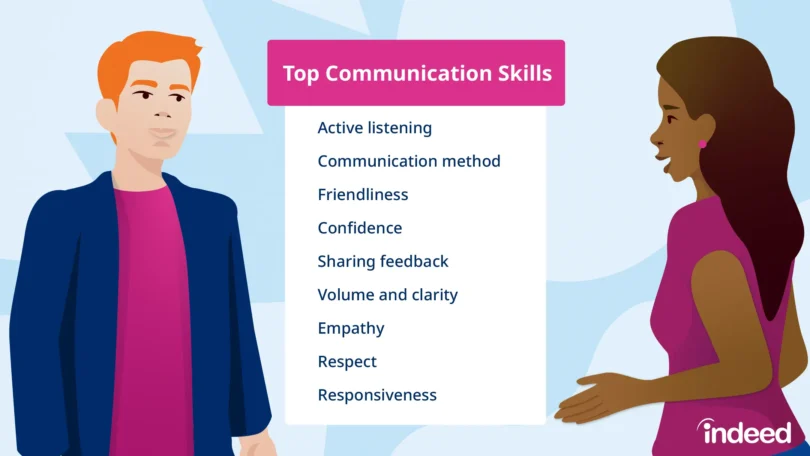
Active listening means paying attention to another person’s message instead of immediately preparing a response. It involves understanding the speaker’s point of view, asking relevant questions, and avoiding unnecessary interruptions.
In online conversations, active listening also means reading messages carefully. Instead of assuming what someone means, readers should consider the surrounding discussion and ask for clarification when necessary.
A thoughtful response demonstrates that the other person’s ideas are being taken seriously.
Choosing the Right Words for Different Situations
The language people use should match the situation and audience. A friendly conversation with a close friend does not require the same tone as a professional email.
For example, informal expressions may be perfectly acceptable in a group chat. However, formal communication usually benefits from complete sentences, accurate spelling, and straightforward explanations.
Understanding the difference between casual and professional language helps individuals communicate confidently across different environments.
It is also useful to become familiar with commonly used digital expressions. Online language changes regularly, and new abbreviations can appear across social media platforms. Readers interested in understanding these expressions can consult resources such as common texting abbreviations and their meanings when an unfamiliar term interrupts the flow of a conversation.
Preventing Misunderstandings Online
Written communication does not always include facial expressions, gestures, or vocal tone. As a result, a message can sometimes sound different from what the sender intended.
A simple sentence may appear serious when the writer intended it as a joke. Similarly, a brief response might be interpreted as irritation even when the sender is simply busy.
People can reduce these problems by providing enough context, avoiding unnecessary sarcasm, and reviewing important messages before sending them.
When a conversation becomes confusing, asking a polite question is usually more effective than making assumptions.
Building Better Communication Habits
Developing strong communication skills requires regular practice. Individuals can begin by focusing on a few simple habits.
First, they should think about their audience before choosing their words. Second, they should avoid unnecessarily complicated explanations. Third, they should listen carefully and allow others to express their opinions.
Another useful habit is reviewing important written messages before sending them. Correcting unclear sentences and spelling mistakes can prevent avoidable confusion.
People should also respect different communication preferences. Some individuals prefer detailed explanations, while others appreciate short and direct messages.
Communication in Professional and Educational Environments
Effective communication is particularly important in workplaces and educational institutions. Students need to ask questions, participate in discussions, and explain their understanding of different subjects.
Similarly, employees must communicate expectations, report progress, and coordinate responsibilities with their teams.
Digital tools make these activities easier, but they also require discipline. Professional messages should be organized, relevant, and respectful. Responding at an appropriate time and providing useful information can improve teamwork.
Conclusion
Communication continues to evolve as technology introduces new ways to connect with others. Despite these changes, the basic principles remain the same: clarity, respect, active listening, and understanding.
People who develop these skills can participate more confidently in personal, educational, and professional conversations. By choosing suitable language and paying attention to context, anyone can make digital communication more meaningful and productive.