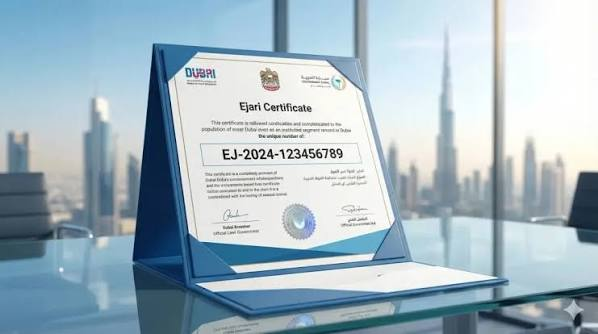
Ejari Fraud cases involve creating, tampering with, or drafting fake tenancy contracts in the UAE. Under UAE law, it is compulsory to have tenancy registration with the Dubai Land Department DLD. UAE has made it mandatory for landlords and tenants to have proper registration. UAE real estate is a massive market and thus attracts fraudsters, so Ejari fraud cases are common.
Ejari law was introduced to prevent illegal and wrongful practices by tenants and landlords. Federal Decree-Law No. 31 of 2021 is based on Ejari and deals with Ejari fraud cases in the UAE. This prevents the spread of misinformation and fake news. Ejari registration law allows ordinary people to use verified information provided by the Ejari platform. If the authorities contact you about a suspected forged tenancy contract or Ejari certificate, lawyers in Dubai can review your documents, explain your legal position, and advise you on how to respond.
How to Spot an Ejari Scam Before You Pay a Deposit?
Renting a house or apartment seems to be exciting and a source of income, but it is often associated with the risk of fake tenancy contracts. The scammers usually target expatriates, their families, and first-time renters. UAE is a real estate hub that attracts millions of real estate investors every year. huge influx of investors also attracts the attention of scammers and fraudsters who forge rental contracts. They mainly target desperate sponsors and expatriates who are eager to settle or invest in the UAE. Acknowledging the scam is the foremost step towards safeguarding yourself against the scam or fraud. Also, review your visa status and act accordingly to avoid risk.
Ejari is a compulsory rental Agreement registration system. It is run by DLD, and the Ejari certificate is known as the registration receipt that proves the tenancy relationship in official records. All visa types, along with DEWA electricity connections and tenancy contracts, will flow through the system. Once Ejari registration is produced, it cannot be duplicated.
Usually, the fake or false tenancy contract refers to the forged or fraudulent rental agreements that are sold by unlicensed brokers, agents, or individuals. The documents may appear to be official and legal, but they are not registered with DLD and the Ejari System. Buyers purchase from them in the hope of sponsoring their family and living in affordable housing facilities. This is strictly illicit in the UAE and poses a serious risk. If you believe you were given a fake Ejari certificate or tenancy contract, property lawyers in Dubai can review your documents and help you understand your options.
Why Ejari Registration Matters When Renting in Dubai
DLD and other land departments in the UAE work towards efficient management of Ejari contracts. UAE land authorities handle all the information about the landlords and tenants in the UAE market. EJARI fraud cases are dealt under Federal Decree-Law No. 31 of 2021 that requires maintenance of detailed records of property owners along with tenants. The make sure there is transmission of accurate, correct and valid information about owners in the UAE.
Ejari registration system ensures transparency in every rental transaction in the UAE. The system prevents unauthorized leasing, duplicate registrations, and unauthorized tenancy registrations. The Ejari system prevents the misuse of property details and secures them from scammers and fraudsters. It also halts all kinds of discrepancies and improves the current Ejari records. This allows quick resolution of landlord and tenant disputes that are normally taken to the Rental Dispute Center RDC.
UAE laws and Ejari Systems for the Protection of Landlords and Tenants:
UAE Law No. 26 of 2007 safeguards the rights of property owners and tenants. DLD and other land departments have crafted legislation to regulate matters concerning the real estate sector. This law, along with Federal Decree Law No. 31 of 2021, guides the relationship between property owners and tenants. This law is also referred to as the Law Regulating the Relationship of Landlord and Tenant. The prime goal is to reduce the chances of fraud and curb the confidence of scammers across the UAE. The law supports UAE authorities in taking legal action against Ejari fraud and penalizes them accordingly.
What Happens if You Use a Fake Ejari Certificate in Dubai?
The use of Fake ID cards, false and non-registered tenancy contracts, and fake property documents are all part of Ejari fraud cases. Mainly, scammers target tenants and sponsors who are unable to financially support their family members. Fraudsters market and advertise false tenancy contracts as a genuine and easy way out of the UAE’s strict visa specifications. DLD, UAE immigration authorities, and other departments cross-check tenancy details for verification.
Individuals involved in buying, selling, or using fake tenancy contracts will face penalties. UAE authorities actively search for fraud and penalize individuals who distribute or use forged tenancy agreements. They may face jail sentences, hefty fines, or deportation. However, in the worst cases, it may result in permanent Travel restrictions or bans.
If the verification of documents doesn’t match the Ejari requirements, this will allow UAE authorities to take action. Ministry of Interior could order the immediate deportation of the sponsored family member along with the main offender. Furthermore, UAE authorities may commence formal investigations against the individuals.
How to Check the Property, Landlord and Broker Before Paying a Deposit?
Anyone can easily avoid the trap of scammers by understanding the basic verification steps. We have discussed in detail the ways to safeguard against fraudsters and scammers. Firstly, it is important to work with a reputable and licensed real estate company. They have authorized and certified agents and brokers who can guide you and help you avoid forged legal documents. Lawyers can also assist you with knowing about the current rentals and market situation, which makes it easy to spot suspicious arrangements.
Secondly, person needs to inspect the property and landlord owners from DLD. They can verify the property ownership along with the title deed and the owner’s Emirates ID. Confirm the information before signing the tenancy contract. Tenants can visit the official portal of DLD to check the status of property owners. If anyone is avoiding this step, it is a red flag that they are concealing information and facts.