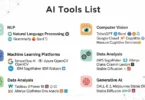
How AI Tools Help Students and Teachers, Artificial Intelligence (AI) tools are changing the way students learn and teachers teach. These tools make studying easier, save time, and bring new ideas into the classroom. From helping with homework to supporting teachers in lesson planning, AI creates a smarter and faster learning experience for everyone.
Role of AI Tools for Students
AI tools act like a smart helper for students. They guide students in understanding lessons, solving problems, and finishing homework on time. With AI-powered apps, students can get instant answers to their questions and practice at their own pace. These tools also suggest study plans based on the strengths and weaknesses of each student, making learning more personalized. AI helps improve writing, supports in research, and even makes revision easier by summarizing long topics. For many students, AI is like having a private tutor available anytime.
Role of AI Tools for Teachers
AI tools are helping teachers manage classrooms better and reduce extra workload. These tools allow teachers to focus more on guiding students rather than doing repetitive tasks.
- Lesson Planning: AI suggests topics, activities, and resources for smarter lessons.
- Automated Grading: Quick and accurate checking of tests and assignments saves time.
- Classroom Management: AI tracks attendance, student progress, and performance.
- Personalized Support: Teachers can provide extra help to students based on AI reports.
- Creative Teaching: AI offers new ways to explain lessons through visuals and interactive tools.
AI tools make teaching easier, faster, and more effective while giving teachers more time to inspire students.
AI Tools for Better Communication
Good communication between students and teachers is very important for learning. AI tools make this process smoother by giving instant support and reducing barriers.
- AI Chatbots: Provide quick answers to student questions anytime, even after class hours.
- Language Translation: Breaks language barriers so students from different backgrounds can understand lessons better.
- Virtual Assistants: Remind students about homework, deadlines, and class schedules.
- Feedback Systems: Give students clear feedback on their progress and areas to improve.
- Parent-Teacher Connection: AI tools also help teachers share updates with parents in an easy way.
AI tools create stronger connections in education by making communication faster, clearer, and more accessible for everyone.
Benefits of AI Tools in the Classroom
AI tools are making classrooms smarter, easier, and more engaging for both students and teachers. They add value by improving learning speed and making lessons more interactive.
- Personalized Learning: AI adjusts lessons to match each student’s pace and understanding.
- Instant Feedback: Students get quick answers and corrections, helping them improve faster.
- Time-Saving for Teachers: Routine tasks like grading and attendance are automated.
- Better Engagement: Interactive lessons, quizzes, and visuals keep students interested.
- Equal Support: AI gives extra help to students who need more practice, ensuring no one is left behind.
- Data Insights: Teachers receive clear reports on student progress and learning gaps.
AI tools bring many benefits to the classroom by making education faster, smarter, and more enjoyable for everyone.
AI Tools for Better Communication
Good communication between students and teachers is very important for learning. AI tools make this process smoother by giving instant support and reducing barriers.
- AI Chatbots: Provide quick answers to student questions anytime, even after class hours.
- Language Translation: Breaks language barriers so students from different backgrounds can understand lessons better.
- Virtual Assistants: Remind students about homework, deadlines, and class schedules.
- Feedback Systems: Give students clear feedback on their progress and areas to improve.
- Parent-Teacher Connection: AI tools also help teachers share updates with parents in an easy way.
AI tools create stronger connections in education by making communication faster, clearer, and more accessible for everyone.
Popular AI Tools Used in Education
AI tools are now a part of everyday learning. Both students and teachers use them to save time and improve the quality of education.
- Grammarly: Helps students and teachers check grammar, spelling, and writing style.
- ChatGPT: Assists in writing, answering questions, and explaining difficult topics in simple words.
- Quizlet: Creates flashcards and practice quizzes for better learning.
- Khan Academy AI: Offers personalized learning paths and extra practice for students.
- Turnitin: Used by teachers to check assignments for plagiarism and originality.
- Duolingo: Makes learning new languages fun and easy through AI-powered lessons.
- Edpuzzle: Allows teachers to create interactive video lessons with built-in questions.
These AI tools make studying smarter and teaching easier by offering quick help, personalized support, and interactive learning.
Challenges of Using AI in Education
While AI brings many benefits to classrooms, it also comes with some challenges that must be managed carefully.
- Over-dependence on Technology: Students may rely too much on AI instead of building their own skills.
- Privacy Issues: Student data collected by AI tools can raise concerns about safety and misuse.
- High Costs: Some advanced AI tools are expensive, making them difficult for all schools to use.
- Lack of Training: Teachers and students need proper training to use AI tools effectively.
- Unequal Access: Not every student has the same level of access to internet and devices, which creates gaps in learning.
AI in education is helpful, but schools must balance its use to avoid risks and ensure fair learning opportunities for everyone.
Future of AI in Schools and Colleges
AI is shaping the future of education by making classrooms smarter and more advanced. In the coming years, schools and colleges are expected to use AI even more for teaching and learning.
- Smart Classrooms: AI will provide interactive lessons, virtual labs, and real-time learning support.
- Personalized Learning: Each student will get study plans made exactly for their level and needs.
- Virtual Tutors: AI tutors will be available anytime to explain lessons and answer questions.
- Data-Driven Decisions: Schools will use AI reports to improve teaching methods and track student success.
- Global Learning Access: AI tools will connect students from different countries, breaking language and distance barriers.
The future of AI in schools and colleges promises faster, smarter, and more personalized education, where technology works alongside teachers to help students succeed.
Common FAQs About How AI Tools Help Students and Teachers
These FAQs answer common questions about how AI tools support students and teachers in education.
Can AI tools help shy students participate more in class?
Yes, AI tools offer online platforms and interactive apps where shy students feel comfortable sharing ideas.
Do AI tools support students with special learning needs?
AI tools can provide speech-to-text, text-to-speech, and customized lessons for students with disabilities.
Can AI tools reduce stress for teachers?
Yes, by handling routine tasks like scheduling, reminders, and test creation, AI reduces teacher workload and stress.
Do AI tools help students prepare for exams?
AI tools create practice tests, flashcards, and personalized revision plans to make exam preparation easier.
Can AI tools track student emotions during learning?
Some advanced AI tools can monitor facial expressions and engagement levels to see if a student is confused or bored.
How do AI tools support teamwork among students?
AI platforms allow students to collaborate on group projects, share ideas, and work together online.
Can AI tools help teachers improve their teaching style?
AI provides reports on which teaching methods work best, guiding teachers to improve their strategies.
Do AI tools help in career guidance for students?
Yes, AI can suggest career paths based on a student’s skills, interests, and performance.
Can AI tools assist in learning outside the classroom?
AI apps work anytime and anywhere, helping students learn even after school hours.
Are AI tools safe for young children to use?
Most AI tools have safety filters and parental controls, but teachers and parents should still supervise their use.
Conclusion
AI tools are bringing positive changes to education by making learning easier for students and teaching more effective for teachers. They save time, improve understanding, and create opportunities for personalized learning. While there are some challenges, the benefits are much greater when AI is used wisely. By combining the power of AI with the guidance of teachers, schools can build a smarter and brighter future for every student.
Written By: Deepseekplay