BYLINE: Stephanie Ramirez, Client Resources Editor
SOURCES: AZ Law Now construction practice page (OSHA Focus Four; ARS 23-1022 exclusive remedy; ARS 23-1023 third-party claims; ARS 12-542; ARS 12-821.01; ARS 12-2505 / 12-2506 notes)
NOTE TO EDITOR: Injured-worker documentation guide. Not a promise that a third-party claim exists in every fall. No guaranteed outcomes.
You are on the ground. Someone is yelling for the medic. The next shift will clean the area before lunch tomorrow.
Construction sites reset fast. Scaffold gets struck. Harnesses get hung back on a hook. Witnesses move to another job. Photos taken today are often the only honest picture left.
The analysis came from AZ Law Now. It’s an Arizona injury firm that hears the injured person out, then brings in the litigator the case needs.
This is a first-day evidence list for Arizona job-site falls. It is process, not a case valuation.
Medical care and the names that leave with the ambulance
Call 911 for serious injuries. Accept transport if you need it. Pride is not a treatment plan.
Tell every clinician you fell on a construction site and name the general contractor if you know it. That sentence belongs in the chart.
Get the names of the people who saw the fall. Get phone numbers before they are sent back to work.
Ask who your direct employer is on paper. Ask who the general contractor is. Those are not always the same company.
Keep your hard hat, harness, lanyard, and torn clothing if the ER cuts them off. Ask staff to bag them.
Photograph the condition that will be gone tomorrow
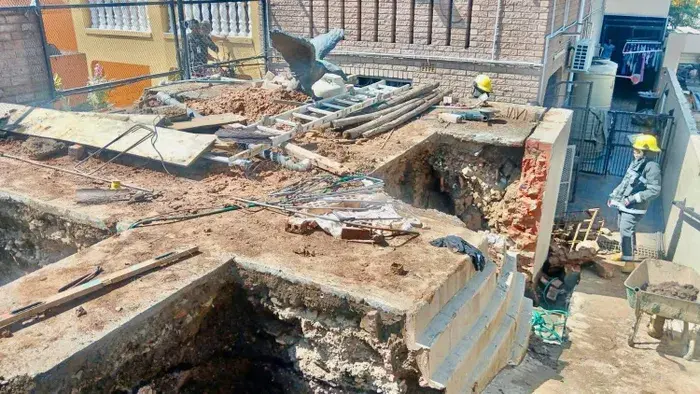
If you can do it safely, or if a trusted coworker can, photograph the fall location immediately.
Capture scaffold condition, missing guardrails, floor openings, tie-off points, and the harness gear as it sits. Wide shots and close shots both matter.
Photograph lighting, weather, and any warning signs or the absence of them. Photograph debris and slippery surfaces.
Get the address, project name, and nearest cross street. Phoenix sites change names on paperwork more often than workers expect.
Do not stage a reenactment. Photograph what is there.
Workers’ comp and third-party claims are different tracks
Arizona workers’ compensation is generally a no-fault benefit system through your employer’s carrier. Under A.R.S. § 23-1022, comp is typically the exclusive remedy against your own employer.
A.R.S. § 23-1023 still allows a separate claim against a negligent third party who is not your direct employer. That can include certain general contractors, other subcontractors, property owners, or equipment makers depending on facts.
Filing for workers’ comp does not automatically waive every third-party right under that framework. The comp carrier may hold a lien on a third-party recovery. That is a later paperwork issue, not a reason to skip medical care.
If you want to control a third-party lawsuit yourself while receiving comp, A.R.S. § 23-1023 includes a separate shorter window discussed on the practice page, often described as one year from when the claim accrues. Put deadline questions on a calendar early.
The ordinary personal-injury horizon is often two years under A.R.S. § 12-542. Public-entity projects can add a 180-day notice duty under A.R.S. § 12-821.01. School, city, county, and state jobs need faster attention.
OSHA Focus Four is a map for what to write down
OSHA’s Construction Focus Four groups the big killers as falls, struck-by events, electrocutions, and caught-in or caught-between hazards.
Falls from scaffolds, ladders, roofs, and open floors are still the everyday serious-injury pattern on that list. Write which of the four your event looks like.
Note whether fall protection was available, used, and anchored. Note who removed a guardrail. Note whether a daily inspection or tailgate talk happened.
Struck-by facts include falling tools, swinging loads, and vehicle traffic inside the site. Caught-between facts include trenches and equipment pinch points.
Your first-day note does not need OSHA codes. It needs plain facts a stranger can understand next month.
Statements, bosses, and the pressure to minimize
Report the injury to your supervisor the same day. Get a copy of any employer incident form you sign.
Do not guess on a recorded line about “my fault” while you are still in pain. You can report the event without writing a legal essay.
Arizona follows pure comparative negligence under A.R.S. § 12-2505. Partial fault can reduce recovery in a third-party case. It does not automatically erase every claim under that rule.
A.R.S. § 12-2506 abolished joint and several liability for most personal-injury claims. Each defendant generally pays its own share. That is why identifying every company on site matters.
If a safety manager asks for a quick recorded interview in the truck cab, you can ask to do it after medical care and after you understand the form.
A first-day job-site fall checklist
| Step | Action Item | Immediate Objective |
|---|---|---|
| 1 | Medical Care | Get treatment immediately and ensure site details are recorded in the medical chart. |
| 2 | Employer & GC | Clearly identify your direct employer and the general contractor on paper. |
| 3 | Witness Contact | Collect witness names and direct phone numbers before crew members shift sites. |
| 4 | Scene Photos | Photograph the fall area, gear, missing guardrails, and immediate hazard conditions. |
| 5 | Preserve Gear | Bag and save damaged harnesses, lanyards, hard hats, and torn clothing. |
| 6 | Incident Report | Formally report the injury to your supervisor and retain a copy of signed forms. |
| 7 | Written Timeline | Write out a dated, factual timeline of events the same night. |
| 8 | Digital Messages | Save all text messages, emails, and notes from supervisors and coworkers. |
| 9 | Video Preservation | Request that site camera or surveillance footage be formally preserved. |
| 10 | Legal Calendar | Calendar workers’ comp deadlines and any public-entity notice windows. |
Keep the first-day evidence list after an Arizona job-site fall next to the police report and the first photos.
Use that list as a field sheet, not as a promise that a third-party case exists. Many falls are comp-only. Some are not. The photos still matter either way.
Why the next shift erases the truth
Construction sites exist to change. That is the point of the work. It is also why delay is expensive for an injured worker.
A hazard that is obvious at 9 a.m. can be gone by the afternoon pour. Photographs are how you keep the morning version.
Ask a trusted coworker to walk the area only if it is safe. Do not put anyone else in danger for a photo.
If the general contractor runs a daily report or safety app, note who controls it. Those logs can show whether a hazard was already known.
Keep your own simple sketch of the layout if photos are imperfect. Label north. Label the fall point. Label equipment.
Workers’ comp paperwork and third-party questions can wait one day. The scene usually cannot.
Stephanie Ramirez writes Stephanie Ramirez’s client guides at AZ Law Now. She walks Arizona workers through the first week after a serious injury.